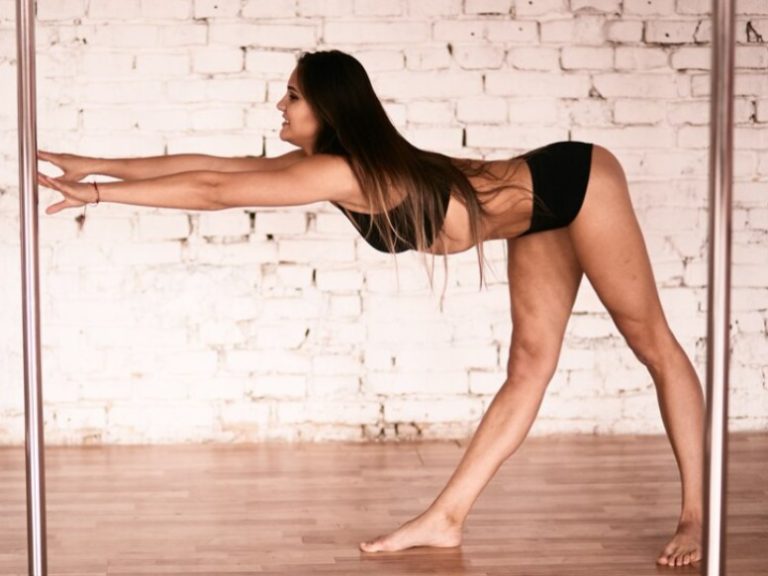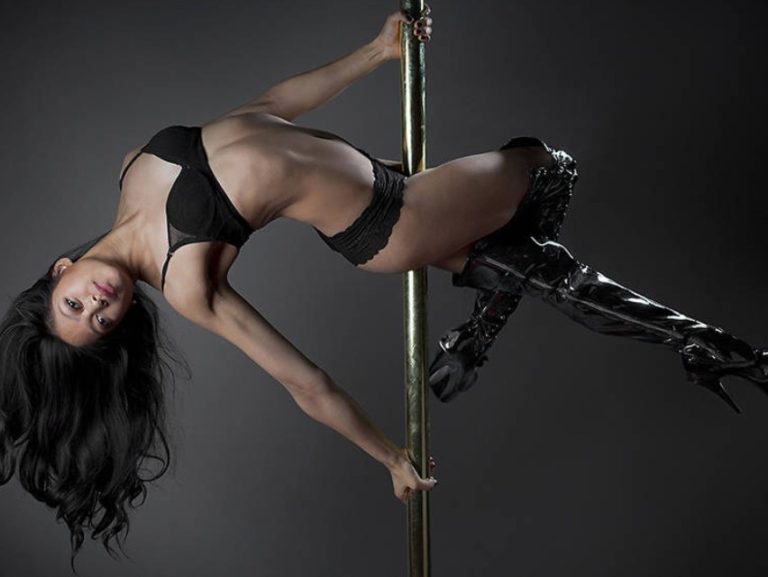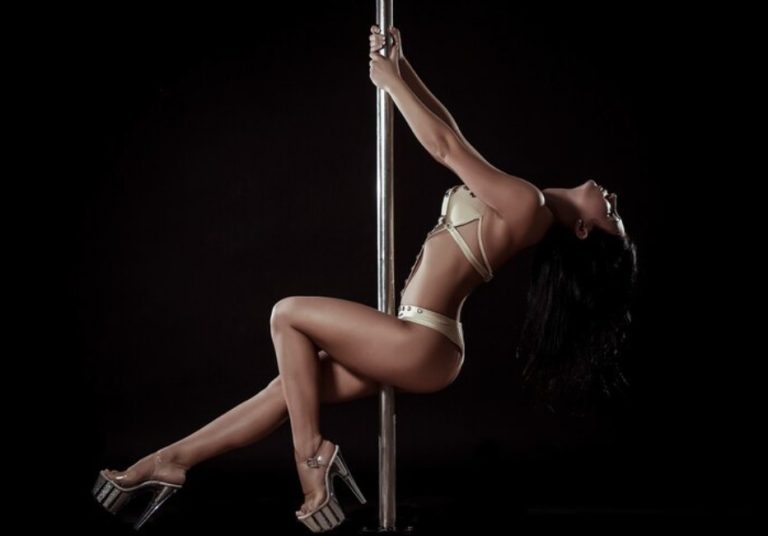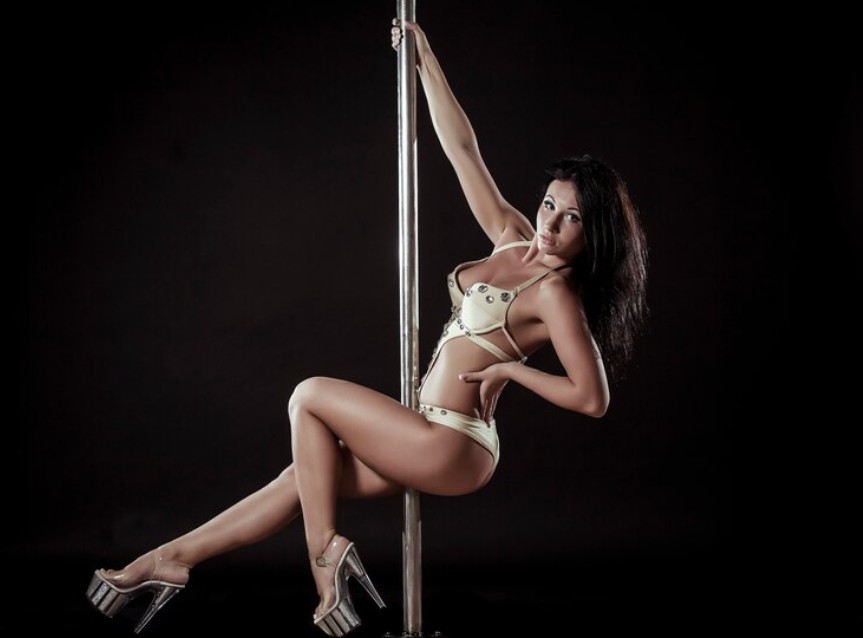

Pole dancing isn’t just a collection of tricks. On the stage, each one is chosen to match the mood, music, and moment. At Crimson Fever, our female pole dancers use beginner, intermediate, and advanced moves not just to show skill, but to tell a story — from the first step to the final spin.
In a private strip show, a bucks party performance, or a stage routine in our Melbourne club, these pole dance moves flow together to create drama, sensuality, and connection. Here’s how our dancers build that story, move by move.
How Our Dancers Build a Pole Routine
The Anatomy of a Routine in a Strip Club Setting
Every show has rhythm. Most pole dance routines follow a natural structure:
- Intro / Tease – using beginner pole dance moves like graceful walks, spins, and poses to set the tone
- Build – introducing intermediate tricks that show strength, shape, and flexibility
- Peak – the highlight: advanced moves that make the crowd hold their breath
- Outro – a controlled exit, floorwork moment, or a final pose with eye contact
Whether it’s on stage, in a private room, or at a bucks party, this format lets dancers match energy to setting — slow and intimate, playful and bold, or powerful and acrobatic.
Where Beginner, Intermediate and Advanced Moves Fit In
- Beginner moves are often used for flow, transitions, and audience connection.
- Intermediate tricks bring drama, height, and shape to the mid-section of a routine.
- Advanced moves are used sparingly for big impact. You don’t need a whole routine of hard tricks to create a hot show — just the right one at the right time.
Beginner Pole Dance Moves (Foundations You See on Stage)
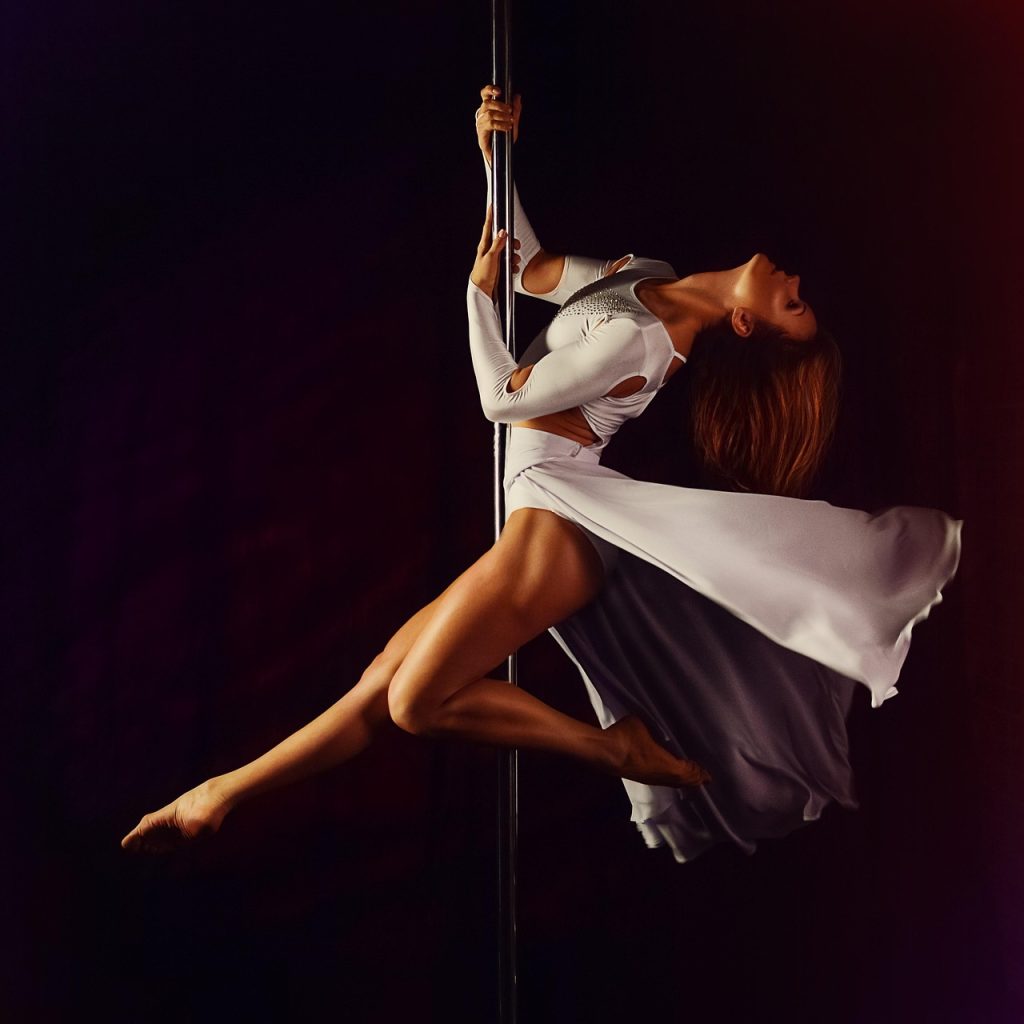
These moves appear in nearly every show. They’re smooth, technical, and work well close to the audience.
Bow and Arrow
This intermediate-transitioning move involves hooking your inside knee just above the knee onto the pole while inverted, then positioning your legs in a decorative crossed pattern. You arch your back dramatically away from the pole while releasing your hands, creating a striking archer-like silhouette with full body extension.
Back Hook
A fundamental spin where you turn to face away from the pole, reach behind to grip it with both hands, and hook one leg around the pole at the knee from behind. Your momentum carries you into a controlled spin as your other leg extends, creating a playful yet challenging movement perfect for building confidence.
Ballet Hook
A static, elegant pose where you hook your strong leg over the pole at hip height with your knee bent, then lean gracefully toward your weaker side while extending that arm. This creates a beautiful ballet-inspired line that emphasizes balance and upper-body strength.
Dip Turn
A flowing combination move where you start in a pirouette-like position, then draw your outside leg in a giant circle while bending your knees to create a dipping motion. The move repeats continuously as you switch arm positions, creating an effortless, whirling effect around the pole.
Fireman Spin
An iconic beginner-friendly move inspired by firefighters sliding down poles, where you grip the pole with both hands overhead and wrap both legs around it (one in front, one behind), pressing your ankles together as you spin down in a controlled descent.

Inside Hook
A dynamic spin performed by placing your strong arm high on the pole, walking around it, then hooking your inside leg onto the pole at the knee. The momentum creates a smooth spin as your body rotates around this leg hook.
Intermediate Pole Dance Moves (Height, Shapes & Drama)
Inverted Butterfly
A breathtaking upside-down move where you grip the pole with both hands in a split grip position while fully inverted, then spread your legs wide open in a V-shape facing the pole. This move serves as a foundational skill leading to the Ayesha and requires strong arm pushing and pulling technique.
Ayesha
An advanced inverted position where you suspend your body weight with two hands in various grip variations (split, twisted, or elbow) while completely upside down, opening your legs into a wide V facing the pole. Entry methods include performing a caterpillar motion, transitioning from an extended butterfly, or launching directly from a handspring.
Hip Hold
A subtle but essential grip where the pole sits against the inside of your hip while you arch your back and press your legs into it for support. This grip allows you to release your hands and is crucial for executing inverted poses like the Jade Split, requiring proper hip positioning and back arching.
Iron X
An extremely demanding advanced move where you achieve a handspring position on the pole, then rotate your upper body 90 degrees while keeping your legs in the handspring configuration, creating a perfect X shape with your body sideways against the pole. This requires exceptional core strength and arm stability.

Handspring
A dynamic inversion where you kick up into a handstand-like position on the pole with both hands gripping it overhead, flip upside down, and lock your legs tightly around the pole. Proper technique involves keeping your chest facing down as long as possible before rotating toward the pole at the last second.
Gemini
Gemini pole dance is an inverted leg hang performed by starting in a straddle V-invert, then hooking your outside leg behind the knee onto the pole while bending it, extending your free leg straight, and releasing both hands to hold the position gracefully.
Scorpio
An intermediate move where you start in an inverted helicopter position and wrap your inside leg around to the side of the pole you’re facing, creating a position with the outside ankle, back calf, inside thigh, and area just above the hipbone all contacting the pole.
Suicide Spin
A mentally challenging move where you release your grip on the pole and allow your body to fall forward, then catch yourself by wrapping your leg around the pole mid-fall, creating a dramatic spinning effect. This move requires courage and a secure leg grip.
Hard & Advanced Pole Dance Moves (Showstopper Tricks)
Cupid
An advanced position secured by combining a push from the bottom leg against the pole while hooking your top leg over it, creating a complex locked position that demands significant leg strength and precise balance.
Ballerina
An elegant aerial pose inspired by ballet’s arabesque, where you stand on one leg with the other extended gracefully behind while maintaining an upright, twisted torso against the pole. This move can be performed in multiple variations with different arm positions, requiring flexibility, strength, and beautiful lines.
Inverted Crucifix
An upside-down position where you position one leg in front and one leg behind the pole while fully inverted, squeezing intensely with your thighs, ankles, and entire legs to grip the pole. Your chest lifts behind the pole as you look toward the floor, creating a powerful X-shaped silhouette.
Butterfly
A foundational inverted move performed in a split grip position where you suspend yourself upside down with the pole running between your legs. This move combines strong arm pushing and pulling through the shoulders and serves as a key progression toward more advanced inversions.
Superman
A horizontal superhero-like position where you press your thighs tightly against the pole while your body extends outward nearly parallel to the ground, creating an impressive flying shape. Success depends on proper thigh grip positioning and requires significant conditioning of the thigh muscles.
Martini
An advanced sitting position where you hook your elbow and knee onto the pole simultaneously, sit your bottom down, then extend your free leg upward in a dramatic pose. Multiple variations exist with different arm placements and leg positions, all requiring precise balance and strength.
Brass Monkey
A challenging inverted leg hook where you lock your leg securely around the pole in an upside-down position with multiple possible entries and exits, making it versatile but requiring very secure leg grips for safety. Advanced shapes like the Tornado and Brass Bridge variations demand exceptional strength and control.
Building a Routine Around Your Favourite Moves
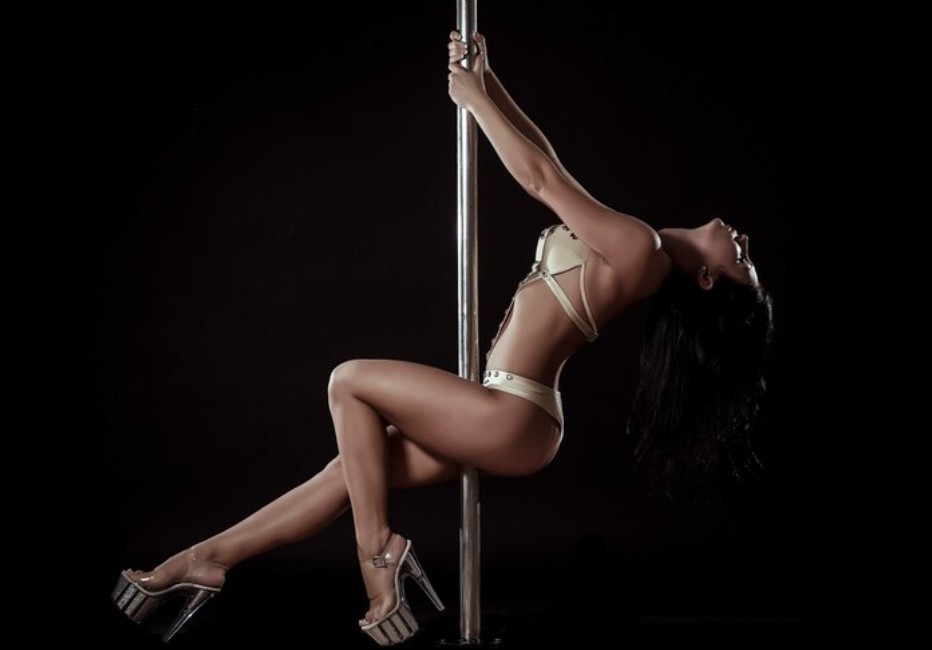
Start With the Song and Mood
Every great routine starts with the right track. Sensual, playful, fierce, or slow-burn — the music sets the vibe and guides your pole dance move choices.
Choose 3–5 “Star” Moves
Map your routine around 3 to 5 moves that show your style:
- 1–2 beginner moves for control and connection
- 1–2 intermediate tricks to add drama
- 0–1 advanced move to land your peak
That’s exactly how we design a top private stripper show at Crimson Fever.
Map Moves to Intro, Build, Peak, Outro
Sample routine:
- Intro: Fireman Spin, Back Hook
- Build: Gemini, Hip Hold, Inverted Butterfly
- Peak: Superman, Brass Monkey, Iron X
- Outro: Dip Turn, Ballet Hook, final floorwork pose
Connect Everything With Transitions and Personality
Spins, walks, hair flicks, floorwork, and costume moments aren’t just fillers — they’re what make a pole show routine feel alive and personal. Our female pole dancers bring their own flair, turning movement into story.
Practice Structure for Stronger Routines
The 3-Run Rule Our Dancers Use
- Run 1: Mark-through at low energy to check timing and flow
- Run 2: Add intermediate tricks, ~70% energy
- Run 3: Full-out with peak trick — then rest
Testing Moves in Heels, Boots and Outfits
Not all moves feel the same in 7-inch heels or theme outfits. Dancers test their choreography in full look to avoid surprises. If you’re still figuring out what to wear for pole dancing in Australia, start with outfits and heels that support your pole routine moves.
Quick Move-Level Reference
| Move | Level | Best Spot | Vibe |
| Fireman Spin | Beginner | Intro | Playful |
| Gemini | Intermediate | Build | Suspenseful |
| Superman | Advanced | Peak | Powerful |
| Dip Turn | Beginner | Transitions | Fluid |
| Butterfly | Intermediate | Build/Peak | Athletic |
| Martini | Advanced | Peak/Outro | Stylized |
Safety, Bodies & Feeling Included
Pole dance routines are for everybody. While advanced tricks can be exciting, safety comes first — especially for inverted holds. Dancers train with mats, spotters, and proper warm-ups.
It’s not about being “perfect.” It’s about moving with confidence, exploring your own rhythm, and respecting what your body needs.
Pole dance moves are more than steps. They’re tools our dancers use to connect, express, and captivate — one spin, trick, and hold at a time.
Ready to See These Moves in Action?
Planning a bucks party or just curious how beginner spins turn into jaw-dropping finales? Professional pole dancers know how to bring every move to life.
Explore how private routines, bucks party performances and top pole talent in Melbourne can turn a simple night into a full show experience.
FAQs About Pole Dance Moves
1. Is pole dancing suitable for complete beginners?
Yes. Many studios and instructors offer beginner-friendly classes that focus on basic grips, spins and confidence on the pole. No experience is required.
2. Do I need to be really strong or flexible to start pole dancing?
No. Strength and flexibility develop over time. As long as you’re generally healthy and willing to learn, you can start at your own pace and build up gradually.
3. Is pole dancing just for fitness, or is it also a performance style?
Both. Some people do pole dancing purely for fitness and confidence, while others use it as a performance art for shows, competitions and special events.
4. What should I wear for a pole dancing class or workshop?
Comfortable activewear is usually best. Many people wear shorts and a fitted top so they can grip the pole with their skin. Always follow the dress guidelines from the studio or organiser.
5. Can pole dancing be part of private events like hens or bucks parties?
Yes. Many performers and agencies offer private pole shows or workshops for events such as hens, birthdays and corporate functions. Packages and performance styles vary, so check the details when you book.